On the Mat: Establishing an Imperfect Yoga Practice

Yoga for Perfectionism

My new yoga practice is both consciously and unconsciously challenging my perfectionism. Especially as a beginner in quarantine, without an instructor to show or help me with proper poses, pretty much everything I do is imperfect. And despite knowing this, I still choose to show up on my mat every day and try…I think that’s what yoga is all about…showing up, even when it’s messy or imperfect.

I’ve been struggling with meditation recently because I found I’m not great at the concept of “noticing your thoughts as clouds passing by, without holding onto or judging them.” In the last week I told a friend that rather than observing my thoughts as clouds, I cause a storm of clouds that hover above me and drench me in rain. I’ve been encouraged to treat meditation like a skill that requires practice, just like photography or writing.

On the mat the other day, I was in the middle of a particularly challenging yoga practice that woke up a lot of muscles I don’t normally use. After I transitioned out of a difficult pose back into downward dog, it took me a few breaths to realize I wasn’t holding proper form of this resting pose and was sort of collapsing in on myself because of my tired muscles. When I became aware of my improper form, I simply readjusted, pushing away from the earth and dropping my shoulders. Upon reflection later that day, I realized I had unconsciously done what I always tell myself I’m so bad at in meditation: I noticed my form was wrong, and, without judging myself for getting it wrong, I just readjusted and moved on with the practice. There wasn’t time to linger on my “mistake,” because I breathed into the next pose and was so grounded that I stayed in the present.

Yoga for Body Positivity

Yoga is helping me see my body differently, more than I’ve ever been able to before, and in an entirely new way. We discussed body positivity in my ED treatment program, but it wasn’t until I continued to show up on my mat that I fully grasped the concept.

When my lungs expand and contract, I am grateful that my body is able to keep me alive, most of the time without me even being conscious of it. When I stand in tadasana, or mountain pose, I am grateful that my bones support me as I stand, sit, walk, and go about my life. When I move through different poses, I am grateful to my muscles for allowing me to do the things I love and even the things I don’t, usually with ease and obliviousness. When I lay in savasana, or corpse pose, I am grateful to my body as a whole, for performing so many simultaneous complex functions that allow me to breathe, walk, talk, and think, let alone feel, emote, create, and do the million other things that make me me.

Yoga has given me the beautiful chance to stop criticizing my body for what I perceive as “faults,” and be grateful for just how many things it can do, that I normally never acknowledge.

Yoga for Willfulness

Listen…I am stubborn. My willpower is sub par. When I have a bad day, it is easy for me to pass on the difficult tasks. Lately, I’ve found that the days when I really don’t want to show up on my mat are the days that I notice the most improvement in my mood from the beginning to the end of my practice. And knowing that helps me push past my stubbornness. To show up, even when I desperately do not want to. Because the feeling at the end always trumps the feeling at the beginning. Feeling proud. Accomplished. Inspired.

Yoga for High Sensitivity

One of the benefits of yoga, I’ve found, is its ability to safely and gently connect the body and the mind. One of the skills I am currently developing is interoception, or the ability to sense what is happening inside the body at any given time, and acting on that awareness.

Lately, my HSP trait has felt like a foghorn, glaringly obvious and isolating me from everyone around me. On a regular basis people point out my self-awareness or my natural ability to self-reflect, and I’m left thinking Does nobody else think about themselves this way? When I asked this question to my therapist this week she smiled and shook her head, “Nope.” It’s funny how much I continue to learn about this trait and how it separates me from everyone else, as I’ve always felt like an outcast, and now I’m finally understanding why.

However, my natural tendency to be self-reflective has helped me in my yoga practice. Yoga is all about inner-awareness and this interoception, so as I allow my breathe to lead my movement on my mat, I feel more attuned to my body and its needs than I’ve ever been before. This practice helped me be honest with myself about my meal plan; being more aware of what my body was telling me helped me recognize hunger cues I may not have otherwise been aware of. With a slight adjustment, I now feel back on track and my body thanks me!

Yoga for Radical Acceptance

I am a highly sensitive person with multiple chronic and mental illnesses. I am in recovery from a painful, consuming eating disorder. I experience PTSD from my chronic illness and subsequent anxiety. All of these facets are a part of what makes me me. Denying them or being angry with them won’t make them any less true. I am in a period of transition and acceptance of the shitty things that have happened to me. I’ve realized that holding onto anger or resentment about these things only cripples me further and keeps me in a place of stuckness. If I can’t embrace my body for all of its intricacies, talents, and flaws, how can I embrace a true yoga practice? Radical Acceptance is a skill I learned in Dialectical Behavioral Therapy, and it’s never made more sense to me than it does when I’m sitting on my yoga mat, grateful for what my body can do for me.

Resources that Helped Me:

  • “I Am Maris” — a documentary on Netflix about a teenager who uses yoga as a part of recovery from an eating disorder
  • Eat Breathe Thrive — a nonprofit founded to prevent and help individuals overcome eating disorders through community, mindfulness, and yoga
    • Eat Breathe Thrive’s “Yoga for Eating Disorder Recovery” course
  • Yoga with Adriene — a YouTube Yogi whose channel offers yoga videos for everyone and everything
  • Perfectly Imperfect: The Art and Soul of Yoga Practice — a book by Baron Baptiste that offers up excellent tools to help yogis show up, both on and off the mat

Confessions from a Perfectionist

It is time for brutal honesty.

I am a perfectionist.

Since this blog was created as a way to challenge my perfectionism, you may be a bit confused. I’ve admitted to striving for perfection in previous posts, and even in my “About” section on this site, so how come I’m coming clean as a perfectionist again? To answer this question, let me back up and provide some context:

A couple of weeks ago I was struggling hard with my various mental illnesses. The pandemic has caused a surge in my anxiety, quarantine has created a flourish in my depression, and a combination of anxiety, depression, and a hiccup in my GI recovery has brought thoughts of disordered eating back to the forefront of my mind. All of these things led me to reach out to the Crisis Text Line a couple of weeks ago, a texting service providing free mental health crisis management to those feeling overwhelmed or hopeless. The counselor I was connected with was incredibly helpful, providing me with links and information relating to depression and anxiety that I could use to get unstuck from the place of willfulness I found myself in. My chief complaint was a lack in motivation– I was stir crazy and bored from being stuck in the same house with the same people for so many months now. In response to this, the counselor gave me a resource that has since changed my life and my depression: an app called “Habitica.”

Habitica is a free role-playing/task management app that allows you to treat your life like a game to stay motivated. You can input habits that you want to strengthen (or that you want to be rid of!), daily tasks you want to accomplish (in therapy we call these “activities of daily life” or “ADLs”), and your To-Do list. You create a customer avatar, and the more habits and tasks you check off, the more your avatar benefits! It’s been a really fun way to combat my depression, because who doesn’t want to collect pets to feed and ride simply by doing things like brushing your teeth or going for a walk?! (I am not endorsed by Habitica, I’m just an avid fan who has found that this app really works for me!)

Now I can circle back to why I am admitting to my perfectionism. Lately, I’ve been in denial, lying to myself about my progress and recovery. It’s been very subtle, but I didn’t want to face the consequences of not checking off my daily tasks and habits within Habitica (when you don’t check off your tasks by the end of the day, your avatar loses health and gold coins). Rather than accept my punishment for not finishing a task here or there, I would fib to myself, or even half-ass the tasks that I struggled to complete. I couldn’t even admit to a game that I am imperfect.

Yesterday, I came across a podcast episode about perfectionism. In the episode, the host says “Perfectionism is a shield that isn’t actually protecting us, but preventing us from taking flight.” As soon as she said this, I flashed back to one of my first sessions with my therapist in ED treatment (the very therapist who encouraged me to start this blog). If you’ve read the post that explains the title of this blog, you may have had a similar light bulb go off in your head. My then-therapist explained that if I’m so busy playing tug-of-war with my depression, anxiety, eating disorder, and/or perfectionism, I have no other hands to hold my hobbies, creativity, or relationships. She encouraged me to put down that rope, and see what my life would look like without it.

It was this session that I decided to commit to creating this blog and posting something every single day, as a way to fight off my perfectionism. If I post every day, I won’t have time to mull over every word, wondering if it’s good enough to publish. The host of that podcast said something very similar. She mentioned that perfectionism is an adaptive skill based on fear and worthiness, and a way to gain control when things feel out of control. The episode ended with this call to action: “Take an imperfect step.”

So I did. I came clean to myself and my therapist in session yesterday: “I hate to admit it, but I’ve been half-assing some of my daily tasks so that I can appear perfect, even in this virtual world I’ve created.” I admitted to not completing every Habitica task in its entirety, to the countless drafts I’ve started but never finished or published on this very blog, to shying away from activities I know I’d enjoy for fear of strangers seeing me. These were all very difficult things to say, and admitting to it all lifted a weight off of my shoulders the moment I said it out loud.

Perfectionism is all about perception. Perfectionists want others to see only what we want you to, and never the flaws that make us, let’s face it, human. I realized that even in Habitica, a virtual world where only I can see my specific successes and failures, I was trying to be perfect. The thing is, nobody is perfect. Not you, not your mom or spouse or neighbor or pastor. Everyone has flaws and faults, which is what makes the human race so beautifully connected. If we all embrace these imperfections (harder in practice than in theory, I know), we may see ourselves reflected in so many others, which breeds connection and authenticity.

Authenticity is my number one value, I’ve never been shy about sharing that. If I want to live true to this value, I must come clean as a perfectionist, and strive to keep taking these imperfect steps.

What is one imperfect step you can take today? Let me know in the comments below!

If you are struggling or in crisis, I encourage you to reach out to the Crisis Text Line by texting “HOME” to 741-741 for confidential and anonymous support. You are not alone.

What Frozen II Taught Me About Being Highly Sensitive

Who wants to talk about Frozen?! I know I do. I’m sincerely hoping you all have seen both the original and the sequel of this beloved Disney film because I will be discussing SPOILERS! If you haven’t seen it, go watch it right now, I’ll sit right here and wait…

….wasn’t it awesome?! Okay, moving forward:

In my last therapy session, I learned something new about myself (which I’m always a fan of). I learned that I am what you would call an “HSP,” or, a Highly Sensitive Person. This means that I have a highly sensitive nervous system— a nervous system designed to notice subtleties in the environment— and as a result am more sensitive, empathic, and impressionable than most people. According to Elaine Aron, the psychotherapist and author who pioneered our understanding of high sensitivity, being an HSP is a genetic personality trait (rather than a disorder that can be diagnosed and treated or cured) that affects 20% of the population. HSPs process information differently than most, and we are more easily overwhelmed by intense levels of stimulation.

When I first heard that I am highly sensitive, I was disheartened. Wasn’t being labeled as “sensitive” a bad thing? I was familiar with criticisms like “Stop being so sensitive,” or “You’re too emotional,” or “What are you so afraid of?” In situations with heavy sensory stimulation (such as the Indiana Jones ride at Disneyland, watching a TV show with loud music and strobing lights, or smelling really strong scents) I had experienced anxiety or panic attacks. Watching horror movies (which didn’t happen often) made me physically ill. And if a friend of mine (even if they lived clear across the country) told me they weren’t feeling well, suddenly I started experiencing similar symptoms. All of these things told me that being highly sensitive was nothing to celebrate.

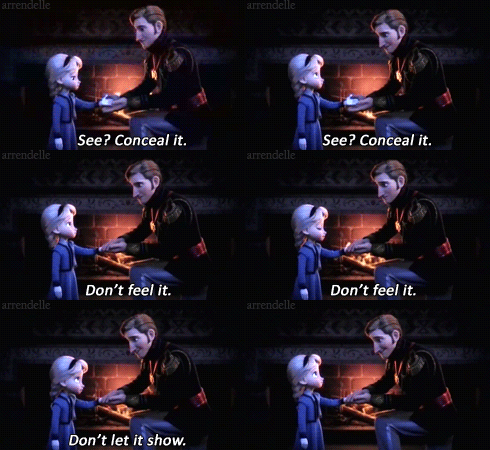
Do you remember in the beginning of Frozen, Elsa is taught to stifle her magic so that she wouldn’t hurt anyone? That “conceal don’t feel” mentality is exactly how I viewed my high sensitivity. It either seemed to make people uncomfortable or it was implied that I was wrong somehow for feeling things more largely than everyone else. So, I put my metaphorical gloves on and only expressed myself in my art or to the people I felt safe with.

Tapestry GIF - Find & Share on GIPHY

As I meandered through life, my anxiety continued to grow and fester inside of me, much like Elsa’s magic. When my high sensitivity inevitably made itself known, usually through my anxiety, I was reminded of the reaction Elsa gets when her magic scares the residents of her kingdom, forcing her to flee into the wilderness. There, she is free to use her gift freely, and we see that she has exceptional, and beautiful power; building an ice castle for herself and transforming her physical appearance into the gorgeous Ice Queen that we have come to love.

My “Let it Go” moment came in my last therapy session, when I learned that stifling my high sensitivity is only doing more harm than good. Any time I felt my body giving my a cue that I was being too overstimulated, I shoved it down. I told myself that I would be seen as weak or a failure if I paused that loud, strobing movie, or put down that triggering book, or chose something else to eat that didn’t taste or smell so strong. My therapist assured me that by embracing my sensitivity, and listening to the cues my body is giving me, my anxiety will decrease and my quality of life will improve tremendously. When I mentioned that acting on these cues makes me feel like a failure, she asked “Do people who are failures work to decrease their anxiety and take care of themselves?” What do you think my answer was? She then gave me resources to explore so that I may continue learning about what it means to be an HSP, and how I can repurpose the word “sensitive” so that it does not have a negative connotation.

Since then, I have learned that being an HSP is not a choice or an illness, but rather a genetic trait, just like having blue eyes or being tall. Sound familiar? No matter how much Elsa tries, she can’t will away her magic; it is a part of her, and trying to contain it is useless. When I look at my sensitivity that way, I realize that being an HSP may seem negative to outsiders, but it is, in fact, a gift that, when understood, helps me approach the world in a beautiful way.

Now that I have these resources, I’ve started digging into what it means to be an HSP, and how I can find purpose and beauty in it. Each book or website I visited seem to call out to me, like the voice that calls to Elsa in Frozen II. I learned that high sensitivity is not the same as shyness or introversion; in fact, 30% of HSPs are extroverted! (I am a part of that 30%!) I learned that HSPs who try to live by the same operating system of non-HSPs, are more likely to develop chronic illnesses. If you’ve read the blog before, you know that I have dealt with chronic illnesses since I was young. Also, an important fact: highly sensitive nervous systems affect both men and women equally, but because of our heavily dominant culture, men are discouraged from expressing their sensitivity. (These facts I’ve listed came from Aron’s book “The Highly Sensitive Person’s Workbook.”) Every fact or anecdote brought me closer and closer to my own Ahtohallan; the river of truth that Elsa searches for throughout most of the sequel.

Along the way, I met some other HSPs— friends and strangers alike, that shared in my feelings and experiences— much like how Elsa meets the other four spirits (Wind, Fire, Water, and Earth) on her journey of self-discovery.

My journey is far from over, but in learning all of this, Elsa’s final song “Show Yourself” started to resonate deeply with me. This is the moment in the movie where Elsa learns that she had the ability to be an unstoppable force of nature inside her all along. It took learning about herself and the past to unlock the full extent of her magic inside her. She always knew she was special, but didn’t know she could use the special part of herself for good, because in the past, it’s always exposed itself negatively.

To any reader out there who has seen themselves in this post, I hope what you take away, if nothing else, is the idea that being highly sensitive may seem negative to outsiders, but it is actually a beautiful gift. I am still learning about the facets of this gift, but I know that— just like the spirit, Elsa— there is purpose to being highly sensitive. If it wasn’t, it wouldn’t be a trait that continues to be passed down (that affects 20% of our current population).

Show yourself. It’s time.

elsaedit | Tumblr

Did this article resonate with you? Do you think you might be an HSP? Check out this Facebook group for Highly Sensitive People, founded by the website “Highly Sensitive Refuge,” found here. I’d also love to hear from you, if you feel like sharing your own story! Drop me a line on my Contact page…perhaps this site can provide a sense of community to the HSPs I’m sure I already know.

unnamed 1.76

the sky is stuffed with clouds
and moisture fills the cracks in my lips
wide as canyons as I tear through flesh
searching for some control or maybe
another way to live that isn’t quite so
disappointing
How does one exist without
splattering thoughts against concrete
reaching for hands you thought
were extended but no
it’s only the limbs of trees planted
long before your body
was used as leverage in
this war with humanity
How does the wind not have
a backache from all that it carries
Can it teach me what to do with
all of these secrets because
I don’t recognize my own scent
and I’ve got pheromones like
a child forcing a jigsaw
into its proper shape
and what will my limbs look like
once the chaos finds its footing

Hospitalization During a Global Pandemic

I realized recently that I have not updated this blog with the craziness that has ensued since my second-to-last post, “I Am Not Okay.” I was inspired to write about my recovery, but kept butting heads with writer’s block and just could not figure out why I couldn’t get a finished thought onto the page. Then I realized my readers will not have a clue what I am talking about without providing them with some context, and poof! My writer’s block was no more. So, consider this post the preface to the next.

(I will say, this hospital stay will go down as probably one of the most difficult times in my life, so stay tuned for forthcoming posts that go more in depth into what I was experiencing then.)

A week after the aforementioned blog post I was flown into the ER by a close friend, who I had called abruptly after the onset of another panic attack– my second that day. Though I was glad I was not alone in the emergency room, my friend (bless his sweet soul) had to run back and forth between the lobby/waiting area and the nurses station for me: “My friend needs a wheelchair!” “My friend needs a barf bag!” “My friend is going to faint, I need a nurse!” (Hey, at least there was a free valet who knew how to drive stick, right Rob?) It was chaotic, and soon I was whisked away from him and was swallowed by the hospital.

I am going to write a separate post solely dedicated to my incredible nurses. I owe my doctors bigtime for handing me my life back, and I owe my nurses a hell of a lot more for handing me my sanity back. From the moment I was wheeled into triage, I knew I was finally in good hands. My health had been so bad, and I hadn’t acknowledged just how bad it was. (At this point I was fainting just by sitting on the toilet for an extended period of time, and hadn’t been able to keep solid food in days.)

When I was admitted to the hospital, the doctors informed me that I was so malnourished and dehydrated, my body was in starvation mode. Makes sense, I kept thinking to myself, as hunger pangs ripped through me. I was positively empty, my body at war with itself. When I laid down, my body rocked with every beat of my heart, which my anxiety interpreted as me dying, and panic would inevitably set in. Three days into my stay I learned this was due to my severe dehydration, and from that moment on was hooked up to constant IV fluids and magnesium. My body now stays still as my heart beats.

The worst part about this hospital stay (and, ya know, it already wasn’t great) was that we were now in a global pandemic, and Vanderbilt had started seeing patients with COVID-19. (I later learned that the first two confirmed cases in the state of Tennessee were patients at the very hospital I was in, at the same time I was there.)

It was terrifying. I wouldn’t allow myself to go on social media much at all, because any news about the virus scared me into an anxiety attack. And the last thing you want to hear during a panic attack is the monitor on your pulse and oxygen beeping bloody murder. Which, of course, wouldn’t get turned off, because the nurses were busy dealing with potential COVID-19 patients. At one point, on my first full day in the ER, I pressed my nurse call button 16 times within 45 minutes before someone came into my room to help me through a panic attack/colon spasm. I had also tried screaming in the direction of the door, hoping someone in the hallway would hear me, but the halls were also full of patients and bustling nurses. Yelling was no use in a busy ER room with its door closed. I couldn’t get myself to a bathroom on my own, so I had to let the pain wreak havoc on my body while I hyperventilated.

It turned out, my ER nurse was assigned to a patient who may have been in contact with the virus, so she had to suit up anytime she needed to go into that room. It was a lengthy process, which meant I had to wait longer than I normally would have. To say it was frustrating was an understatement. But my nurse was absolutely incredible, and somehow managed to handle all of my needs as quickly as possible, never forgetting a thing. (It’s also humbling to need someone wipe your ass for you. Never will I ever think poorly of nurses. They are the real heroes.)

I wound up staying in the hospital longer than I should have, partially because of the day of my arrival, and partially because one of my tests ended up needing to be redone. I was admitted to Vanderbilt Hospital’s Emergency Department on a Thursday night, and was admitted to hospital itself on Friday afternoon. Because of the tests I needed, there wasn’t time to complete it on that Friday, and they didn’t do these particular procedures on the weekend, so I had to wait until Monday to have my tests done. They were going to kill two birds with one stone so that I wouldn’t have to be anesthetized twice.

I remember waking up from the anesthesia on Monday afternoon to hear my mom telling my nurse that they couldn’t complete the second procedure. I was heartbroken. The prep for these procedures was not easy, and having to do it three days in a row (I started on Saturday, with my second test happening on that Tuesday afternoon) was like being thrown into hell over and over. I’ve written a lot of poetry about that Tuesday. I was as empty as I’ll probably ever be, and just completely disheartened. I cried most of that day. Or stared at the walls. Or tried to let my mom help me feel better.

It’s moments like those that I look back on to mark my resilience.

While I was in the hospital, there was a “one visitor per patient” rule, and on the day I discharged they announced no more visitors were being allowed into Vanderbilt Hospital. It was horrifying. I have never felt so isolated and lonely than I did during the gaps between visitors at the hospital. Often, my parents and my partner’s schedules would overlap, so I had to choose between seeing my boyfriend or seeing my mom or dad. (Also at this time, our cat had developed a post-op infection after being spayed, so my partner was having to choose between taking care of the cat or visiting me in the hospital.)

But as hard as all of this was, it all became worth it once my new gastroenterologist came into my room, sat next to my bed, and explained in detail what was going on with my body. She discussed what she saw when she sent her little video camera through my intestines, and helped me visualize why my body was causing me so much pain. Better yet, she told me how I can fix it.

She gave me her undivided attention for over an hour (unprecedented in hospital history!), answering all of the pages of questions I had written for her. What happened next? She signed my discharge papers.

I left the hospital on Wednesday, March 18th. The Nashville Safer at Home order began Monday, March 23rd. What has happened since has been a blur of ups and downs, in dealing with recovery of a chronic illness during a global pandemic, due to a virus I am considered high risk of contracting.

However, as difficult as it has been, it has also been an incredible period of growth for myself and my body. I am experiencing relief for the first time in my life. My body is doing things I never thought it was capable of.

Maybe a month before I went to the hospital, I told my therapist that I just wanted a break. A break from this battle with my body, a break from feeling overwhelmed by work and a lack of creativity. Next thing I know I spend a week in the hospital and am gift-wrapped a forced break: I am in the “high risk of catching coronavirus” category, and am not allowed to return to work until the world becomes a bit safer.

While, of course, I wish it were due to different circumstances, this time in quarantine has allowed me to come back to myself, my values, and my creativity. My mind has all this free space now that it’s not occupied with pain or anxiety, and it is being filled to the brim with creativity, hobbies, passion projects, and stronger relationships. I cannot wait to see what I can do as my body continues to heal and recover.

I hope everyone is staying safe in this difficult time. I am immensely grateful for all of the medical professionals that were on my case, and that I am sure have been putting themselves at risk every day since to care for their patients. The world cannot possibly offer these selfless professionals the gratitude they deserve, but we can certainly try. Thank you to both of my teams of doctors, and the amazing nurses who took care of me from start to finish. You are all my heroes.

Please stay tuned for future posts about my journey through recovery, and my time in the hospital.

through her eyes

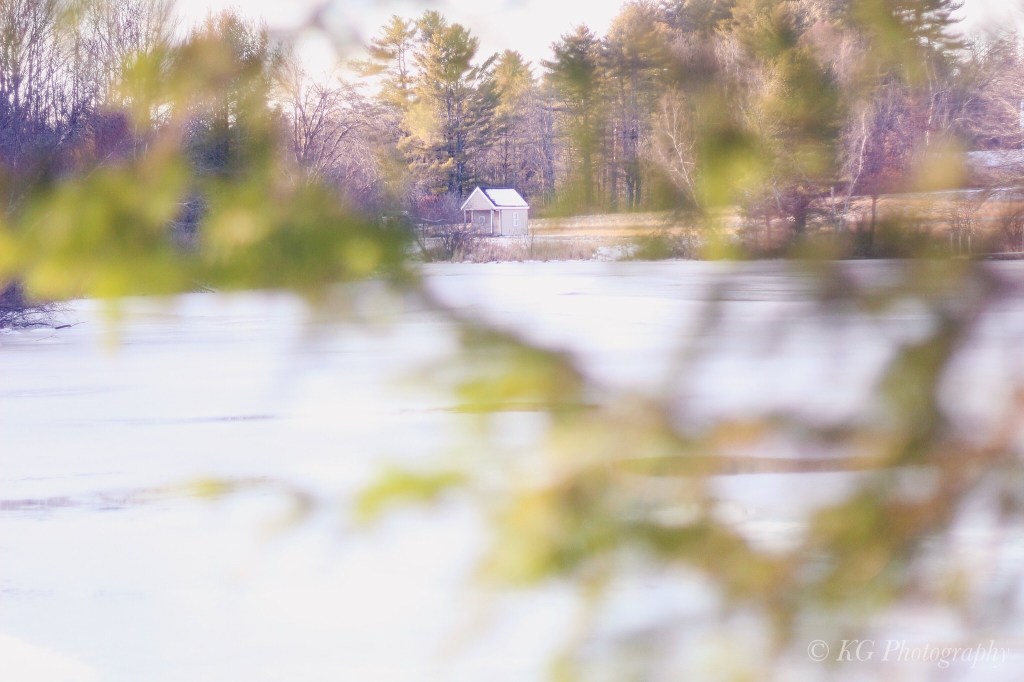
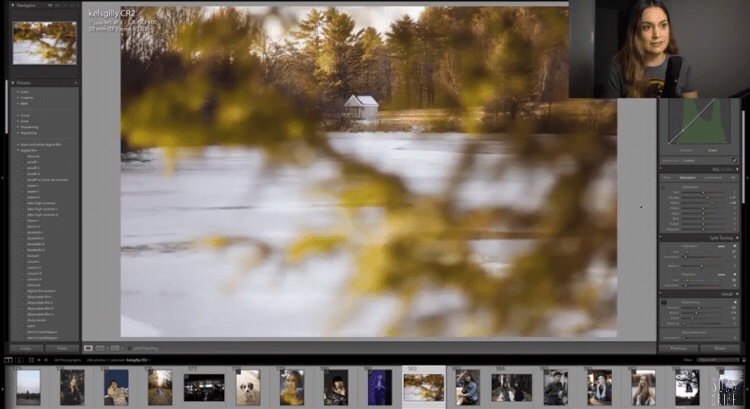
This morning I woke up at 4am to get the chance to have my favorite portrait photographer— Julia Trotti— edit one of my photos on her YouTube live stream. She ended up editing my submission around 6am, and while I was utterly exhausted, it was so exciting to see her process. I realized what I loved most about it was how her edit was drastically different than mine.

This is the photo I submitted to be edited by Julia Trotti, with my original edits.

One of my favorite things about photography is that there will never be the same two photographers. Everyone has a different perspective to offer; even among people you are closest to or have the most in common with, everyone sees the world differently. I remember in the first week of my freshman Cultural Anthropology course (one of the “dreaded” general education classes I was required to take in college) we learned the definition of “worldview.” I have never forgotten this word or this concept. Everyone sees the world through their own specific lens, because everyone has different backgrounds/personalities/home lives/home locations/opinions/beliefs/culture/values/etc. Some people are color blind and only see the world in monochrome. Some grew up with only one parent in their home. Some grew up in a generic, middle class, suburban subdivision. Some got their GED. Some speak multiple languages. Some were adopted. All of these things, whether based on their external environment or their biology, impact someone’s worldview.

This nature vs nurture concept plays a huge role in someone’s worldview. Not one person is the same. It’s intriguing if you think about it. Even my partner, who shares similar reactions to my own when watching a favorite TV show or movie, is still having a different experience while watching it than I am. I love that idea. Maybe it’s why I love photography so much. I can capture a moment and share it with the world, editing the image to try and help you see it how I do, and you will still see a different photo than me. You will have your own reaction or experience looking at my photo than your mom will. Or your spouse. Or your neighbor.

Screen grab of Julia Trotti’s live stream and her final edit on the same photo I shared above. Notice the differences?

Art is so subjective. As I told my partner earlier today: If you give 10 photographers the same photo to edit, you will end up with 10 very different photos. That is the beauty of art. What’s more, you can carry this concept over to the state of our world right now, and maybe it will show you how “essential” means something different to everyone, or why some people are feeling particularly tense right now while others are experiencing relief or joy in this time of isolation. Perspective matters.

Keep creating, friends. This is a scary time; allow your emotions to bleed into your art. I want to see how you see the world. Let’s allow ourselves to be vulnerable, to be raw and unapologetic. Creativity breeds authenticity and vice versa. No time like quarantine to explore yourself, your perspective, and perhaps seek to understand the perspective of others.

Continue reading

I Am Not Okay

*Trigger warning: suicide ideation, chronic illness*

I am not okay.

I am dealing with my chronic illness like I never have before. I don’t remember the last time I had solid food that didn’t send me straight to the bathroom. Last night I tried solid food for the first time in a long time (plain white rice, what could go wrong?) and I ended up puking it up not long after eating. I get lightheaded doing anything. I went to the ER earlier in the week when my pain was unmanageable and I was worried about my food intake, but I walked away with only a couple small answers that could explain the pain, and a medication that has not solved my food intake problem. I also now have to go to work, because I can’t afford to lose any more money and keep up with my medical bills, and my job has made it clear that I will be punished for any absences related to my health.

I am not okay.

Lately, the thoughts that swarm my head are of death. “It would be easier if you were dead,” or “There are no medical bills or chronic illnesses in the afterlife” have been some of the recurring thoughts that plague me every few minutes. Of course, there’s no family or friends or my partner in the afterlife, either. But those thoughts tend to get drowned out by the former.

I am not okay.

I grew up with chronic illness. It is familiar to spend the night on the bathroom floor, or be unable to attend social events because of my health. I have been told my symptoms are in my head. I’ve been told I’m being dramatic. I’ve been told to suck it up and keep going. For roughly ten years these statements have been ringing in my ears. Doctors tell me they can’t find an explanation for my symptoms. They give me solutions to the wrong problem. Often times I feel like they don’t believe me. Lately, I try to do a better job of advocating for myself and my health, telling ER doctors that I can’t keep living this way. They assure me their solution will work. They are almost always wrong.

I am not okay.

I’m running out of room. My illness surrounds me everywhere I go, reminds me that I am trapped in this body with nowhere to run. My body betrays me.

I am not okay.

I don’t even know where to go anymore. The emergency room proved that they cannot help me. But every day my body gets weaker and weaker, without any food to sustain it. I’m starting to recognize that my eating disorder is loving all of this. I’m scared how it will be once (if) I do start eating solid food again. I also recognize that not eating makes my depression and anxiety much worse.

I am not okay.

My symptoms seem so trivial when I explain them to people. I don’t look like I need emergent care from the outside. I’ve come to detest invisible illnesses. They make me feel guilty for going to the ER or for calling off of work. I’m not having seizures, or heart palpitations, or vomiting blood. It’s hard to convince anyone, especially myself, that I am worth fixing, when it doesn’t appear that I am even fixable (or in need of fixing).

I am not okay.

The night I got home from the hospital at the beginning of the week, my city and neighborhood were hit by a devastating tornado. Fortunately, my house is unscathed, but my community is hurting. I am unable to do anything about it except offer verbal support. Pretty soon there won’t be any room for more hurting. Then what?

I am not okay.

As the election continues, following a disappointing Super Tuesday, my hope drains lower. After expressing this on Facebook, I woke up today to a comment joking about suicide if Trump is re-elected. I looked at it stone-faced. I’m sure this person didn’t know they were fueling a fire. I’m hoping they were oblivious, and intended for it to be funny rather than triggering. I’m sure I’m not the only person who feels the same way.

I am not okay.

I know my posts here are normally positive or end with some kind of hopeful or encouraging message. This is not such a post. I saw something recently that said writing down your troubles will provide some relief. That sharing your troubles will offer some semblance of comfort. So here I am.

I am not okay.

Today in Therapy…

Alright, so my therapist used new language in session today that helped me cope a bit more with what I’m going through. You see, I’ve really been beating myself up because I’ve been so sick lately. My physical health has been very bad since I had a procedure done on my liver at the end of this past year, and my mental health is hanging on for dear life. I feel exhausted all of the time, I have very little interest in things I used to enjoy (what’s up depression), and now I’m having issues with my gut, so eating is quite difficult. Which also means I have a hard time living the life I used to live. You know, going out all of the time, or even just hanging out with friends somewhere other than my house (usually in my bed). Not only have I cancelled, postponed, and rainchecked plans left and right, but now I just try not to make plans at all because I know I’ll be too exhausted or sick to do anything but hang out at home.

Of course, when things get this way, I immediately bee-line for the shame train. I have no energy to hang out and do fun things anymore, so therefore I am worth less, somehow, than I was before. I am “unfun,” “boring,” “broken.” You name the criticism, I have already told it to myself a thousand times before the word is fully out of your mouth. As you can imagine, shame hits you pretty hard after a long day of depression, guilt, loss of appetite, physical pain, mental stress, and using energy for daily life tasks.

Here’s where my therapist comes in. Today, she framed my life right now as if I were in survival mode. My physical health is poor, my mental health is on shaky ground, I’m unhappy with my professional life, I feel aimless, and I don’t have much money. I also appear to have high-functioning depression: I only do what I have to do to survive, and I use most of the energy I have (which isn’t a lot, because: depression) just to get through my day to day tasks. So, when it comes time for fun things, or hobbies I used to enjoy, I have already depleted my daily energy for the day. I am surviving.

Somehow, that tiny reframe that my therapist made on how I view my life right now had a significant impact on me, and a lot of that shame that I was carrying around lifted off my shoulders. It reassured me that it won’t be this way forever. That I just need to survive a little bit longer and then things will get easier, and slowly my depression will fade and my energy will return. I cannot wait until that day comes.

To my amazing friends and family who have come over with food or flowers or hugs, who have sent kind messages to cheer me on, who have shown up for me in so many other ways: thank you so much. To the bottom of my heart, thank you. You mean more to me than you know. To my friends who I’ve cancelled plans on, or who I haven’t seen in a while: I am sorry. If you are patient, I promise I’ll show up soon. I’m just surviving right now.


PS. I may make these “Today in Therapy” posts every so often with new stuff I’ve learned in session. Because, if you’re in therapy I’m sure you know, when you have a breakthrough or a big moment where you understand a bit more of the puzzle of your brain or your life or whatever it may be, that provides enormous relief. And I’d love to maybe offer some kind of relief to any of my readers who may be going through similar situations or feelings or times in their lives. And if that reader is you: you got this. You are so much stronger than you will ever know, I guarantee it.

2020 Vision

I’m stepping into this new year- into this new decade- feeling a sense of calm and clarity. I’ve realized that I finally have some semblance of a grasp on my health, both physical and mental. I was planning on diving into what led me to this eye-opening moment in my life, but decided to save it for a future post. Got to keep you wanting more, I suppose. Instead, I will say this:

I have never shied away from discussing my mental illnesses on this blog. And I’m not about to start now. 2020 will be the year I embrace the role of advocate, and start being more proactive about trying to help others who struggle with their mental health like I do. I have many goals for the new year. I aim to reclaim my identity as an artist, and embrace my creativity, however messy or even lackluster it may be at times. I aim to allow my individuality to continue to exist while I grow alongside another human, my partner, and recognize that I can do both at the same time. I aim to push myself to be the best version of me that I can be. I aim to pursue my passions, especially the new ones that terrify me. And I aim to work harder, and share more of my journey here with all of you.

When I created this blog during treatment for my eating disorder, I awakened part of myself I never knew I needed. Writing on this website helped me in ways I never imagined, and taught me a lot about myself and the kind of person I want to be. So, here we are in a new year and a new decade, and I’ve decided not to hold myself back. To acknowledge that I am not perfect, nor will I ever be, and that sometimes pursuing my dreams and pushing myself through depression and anxiety will be hard as hell. But I will continue to move forward. I will continue to pursue my dreams, be ambitious, write freely, and try not to judge myself too harshly along the way. I hope you will join me for the adventures.

Happy New Year, all. Congratulations on making it this far. Let’s keep going.

Spreading the Wealth

Welcome back, everyone! Whether you are a first time reader or a seasoned veteran of Putting Down the Rope, I’m happy you’re here. This post started as a way for me to blow off some steam, and then it morphed into something beautiful and productive. I hope you get something out of it, just as I did.


To catch you all up, life has been pretty good for me over the last few months. I’ve found a group of friends I consider family here in Nashville, I have an amazing partner (who I still wake up next to feeling unbelievably lucky that I found him), I moved out of my parents’ house and now live in a part of town that I love with some really awesome roommates. Life has been good.

But we all know that mental illnesses exist, even in the happiest of times. Sasha (remember her?) has snuck her way back in and has been pointing out all of the unhappy parts of my life. Since she started doing that, all of the bad things have just seemed to pile on, one after the other, and now I find myself at the bottom of a pit, staring up at the rays of happiness that seem so far out of reach now. We all know that I write to process and vent, so here it goes…I hope you missed me.

Due to my depression, I stopped taking the medication needed to maintain the health of my liver. (For those who don’t know, I have auto-immune hepatitis, which means that my immune system really doesn’t like my liver and tries to kick it out of the Vital Organs Club.) For the last few years I have been in remission, while still requiring consistent and constant care to make sure I stay that way, as my disease is not curable. I learned last week that I am no longer in remission, and will have to have another liver biopsy to figure out the severity of my condition and decide how intense my treatment will be. Treatment that involves medication with heavy side effects…side effects that I didn’t handle too well last time I was on them.

In addition to this fun news, my boss recently informed me that, because I didn’t qualify for an intermittent leave of absence (basically designed for people with chronic health issues), anytime I call out of work due to my illness it counts against me. Which has been happening more and more because of my chronic GI issues, too. To top it off, I have a cold. Aren’t I just the picture of health?

Since I’m not able to work at my current job without being punished for having chronic illnesses, I’ve been looking for a new job. Not only that, but I have been searching for other work that will be more aligned with what I want to pursue as a long-term career. After years of tossing the idea around, I’ve finally decided that I want to pursue my dream of becoming a therapist. Which means grad school; another excessively expensive endeavor. It’s difficult to find a job in this field, however, without already having a Masters or an undergraduate background in psychology or social work. And the jobs I do find that don’t have any crazy prerequisites, I don’t land interviews for because I’m too young or don’t have enough relevant experience. After being turned down for jobs I was really excited about, my pit seemed to deepen. After all, for the longest time, my career was the root cause of my happiness. I was passionate about my work, I was ambitious, and constantly searching for the next big thing I could be a part of.

However, I do have a light down in my pit. My partner tosses matches down for me to light so I don’t feel so alone in the darkness. But I’ve realized recently how heavily I rely on those matches to provide me comfort, and it isn’t fair to expect one thing (or one person) to be the sole source of happiness in me. I used to be full of happiness, from all different sources. Whether it was theatre, writing, photography, poetry, spending time with friends, etc…I usually had at least one thing outside of my personal relationships that sparked joy in me. But moving home disrupted a lot of that happiness. I had to start over, find new friends, find a new passion. Theatre in Nashville is obviously very different than theatre in Los Angeles. Suddenly, the career path that I had been working towards since I was a kid was pulled out from under me. Suddenly, I had to find all new friends. I was used to moving and having to start over, but those transitions were often aided with school, or jobs, or a house full of 20+ roommates. I didn’t know what to do now that I was an adult living with my parents in a brand new city where I didn’t know a single person outside of my family. When I moved home and got my emergent mental health under control, I started going out to photograph local concerts and discover new bands, meeting people along the way, but not many I was keen on spending tons of time with.

And then one day I helped out a friend, someone I hadn’t gotten to know too well yet, and our friendship clicked. It took some time, but we started spending more time together. Some six months later and here we are, the best of friends, and, as it happens, very much in love. As someone with a track record for screwing up relationships, I tried vehemently not to get involved with him. But when my brain realized my heart was involved, it all went out the window. So, now I am in a relationship with the most wonderful man I have ever known.

When we first started seeing each other almost half a year after we met, my happiness was palpable. At this point I had found a couple close friends, all who noticed and pointed it out to me, but that didn’t erase my other problems. I still had no career path– I wasn’t working towards anything, and had settled on a job that I liked fine, but wasn’t a long-term career by any means– and my depression had sapped my creativity. I didn’t want to acknowledge my depression because people in happy, healthy relationships didn’t have depression…right? Yeah, everyone reading this knows just how wrong that is. But my ignorance shoved the desire to deal with my mental illness out the window. Which, as these things tend to do, came around to bite me in the ass once my partner and I decided that, for the health and strength of our relationship, we needed to spend more time away from each other to maintain our individuality outside of the relationship. I agreed, but as soon as we spent days apart, my mood dropped noticeably. I didn’t understand why, as I was 100% on board and perfectly ok with our plan. I didn’t want us to become absorbed into one another. I had always been a strong, independent person. So then why was I falling apart when I willingly spent time away from my partner?

Well, it’s hard to find your own sense of self when you still feel like the rug has been pulled out from under you. I lost myself when I moved home, and when I met my partner, I hadn’t found all of myself yet. It’s a weird feeling not to have a path in life…I had one for so long until I didn’t, and only then did I realize just how much stock I had put into my career and following my dreams. Hell, I can’t complain. I did the damn thing! I got my degree in theatre, I moved all the way across the country and worked at all of the places I dreamt of working at. But dreams can change. My last job on a theatrical production was when I was the most unhealthy. I had major depression, I was self-harming, I had an eating disorder that I hadn’t addressed or even acknowledged, and I had no money. All of this had started causing burn out, and I no longer enjoyed going to work like I used to. To this day, I am unsure if I will ever work in theatre again. It was difficult for me to step away, without knowing where I was going next.

All I’ve ever known is ambition; chasing my dreams, no matter how wild, or seemingly impossible. When I had to face the fact that my dreams were fading, I had nothing to replace them with. And when I was forced to leave the state I had fallen madly in love with, I felt even more lost. While I have found my home in Nashville, I still find myself picking up the pieces of myself that broke when I fell apart two years ago.

But it’s not all bad. Sasha loves to remind me that it is, but in writing this I am confident that it’s not. After all, I’ve found a new dream. Who’s to say that I can’t pursue this dream just as fiercely and unapologetically as I did with theatre? Sure, it will be hard, but so was crawling my way into the professional theatre scene in Los Angeles! I can do this. Even when my diseases and disorders and emotions tell me that I can’t.

I am learning to spread the wealth, not put so many eggs in one basket. If I put all of my joy and happiness into my new career path, I’ll become exhausted before I know it. If I put all of my happiness into my relationship, I will become codependent (and I really love this boy, so I’m not about to screw that up). If I put all of my happiness into my friendships, I will fall apart when my friends get busy with their own lives and careers and relationships.

Life is hard as hell. We all know it. I know each and every one of you reading this has dealt with some pretty heavy stuff. Maybe you are right now. But as my mom says, things can turn on a dime and life gets better, easier. Don’t put all your stock into one aspect of your life. Feed your soul– all of it!–  because your soul has many compartments!


Who knows how long or often I’ll blog…but it’s nice to know that I can always come here to process and learn more about myself (and hopefully help others who are struggling with similar issues along the way). I’ve shared a lot of my journey on this website, and I’ve worked through a lot of really difficult stuff for everyone to see. If this post does anything, I hope it reminds those who struggle with their own mental illness that even if life is going great, mental illness can creep in and try to disrupt that. Just know that it doesn’t make you weak. You are stronger than you realize. You got this.